
Japan rewards neat, understated clothes and very comfortable shoes — you will walk 15,000+ steps a day and take your shoes off more often than you expect. Locals dress a notch smarter than most visitors, favour covered shoulders and muted colours, and layer for heavily air-conditioned trains. The right outfit depends almost entirely on the month: snowy Hokkaido in January and a sticky Kyoto July need completely different suitcases.
Pick your month
Average daytime high shown. Tap a month for weather, events and a packing list.
Dress code
- Cover shoulders and knees at temples and shrines; a light cardigan solves it in summer.
- Shoes come off in temples, ryokan, some restaurants and fitting rooms — slip-ons and clean, hole-free socks save time.
- Very revealing or low-cut tops stand out more than short hemlines; locals dress modestly up top.
- Swimsuits are not worn in onsen (hot springs) — you bathe nude, and many onsen still refuse visible tattoos.
- Smart-casual is the default in cities; athleisure is fine for sightseeing but feels out of place at nicer restaurants.
Plugs: Type A / B (two flat pins), 100V — same as the US.
What to wear for…
Temples and shrines
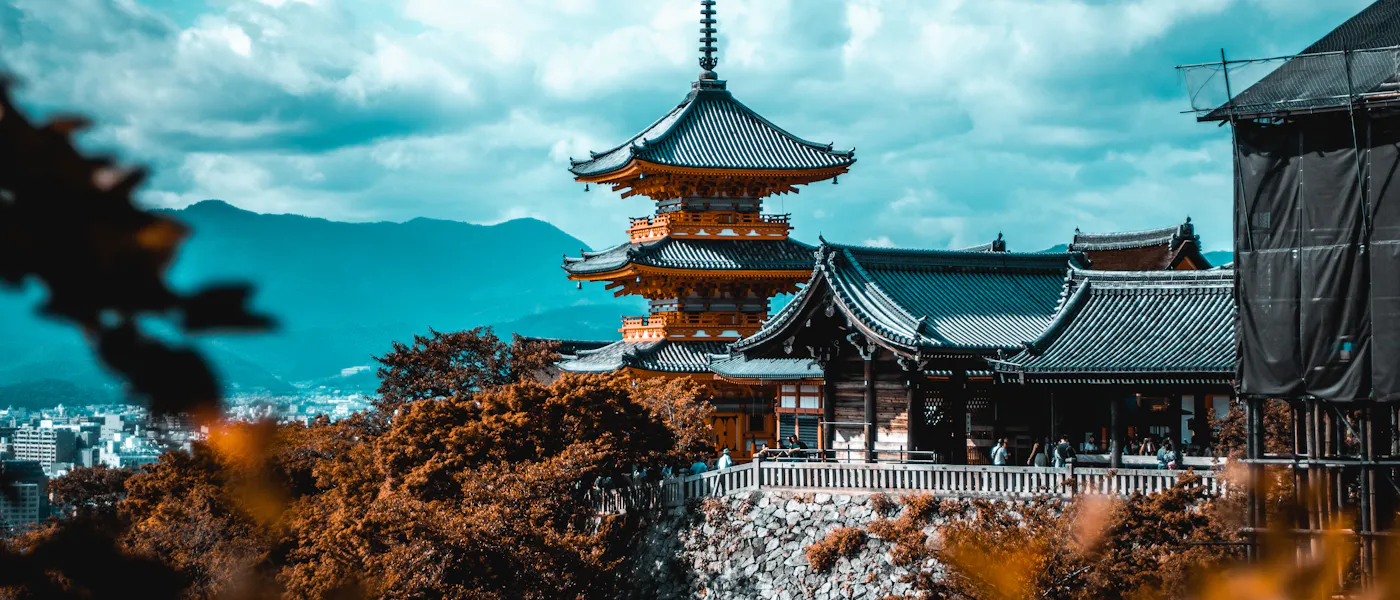
Covered shoulders, knees mostly covered, and slip-on shoes — you will take them off repeatedly at temples like Kiyomizu-dera and in ryokan. Bring clean socks without holes.
Onsen and ryokan
You bathe nude in onsen and wear the yukata the ryokan provides around the inn and to dinner. Pack a small towel bag and simple sleepwear; many onsen restrict visible tattoos, so check first or cover small ones with a patch.
Hiking (Fushimi Inari, Nakasendo, Mt Fuji)
Breathable layers and real walking shoes. The Fushimi Inari loop is two to three hours of steps; Mt Fuji's summit is near freezing even in August.
Nice dinners and bars
Smart-casual: a shirt or blouse, dark trousers or a midi skirt, clean shoes. Some high-end restaurants and cocktail bars in Ginza turn away shorts and sandals.
Winter (Dec–Feb) Jan, Feb, Dec
Crisp, sunny and dry in Tokyo and Kyoto (0–12°C), snowy in Hokkaido and the Alps. Dress in layers you can open up — trains and shops are heated, the streets are not.
- Long padded / puffer coatWomen long padded jacketShop Amazon ↗
- Thermal base layer setShop Amazon ↗
- Knit sweater (neutral colours)Shop Amazon ↗
- Straight or wide-leg trousersShop Amazon ↗
- Fleece-lined leggingsWoollen kurta for winterShop Amazon ↗
- Waterproof ankle bootsShop Amazon ↗
- Scarf, gloves and beanie setShop Amazon ↗
- Padded / puffer jacketShop Amazon ↗
- Thermal base layer setShop Amazon ↗
- Merino or wool sweaterShop Amazon ↗
- Dark chinos or jeansShop Amazon ↗
- Waterproof leather bootsShop Amazon ↗
- Wool scarf and glovesShop Amazon ↗
Also pack
- Heat packs (hand warmers)Shop Amazon ↗
- Slip-on shoes for templesShop Amazon ↗
- Lip balm & hand cream (dry air)Shop Amazon ↗
Showing more covered picks for travellers from India.
Spring (Mar–May) Mar, Apr, May
Cherry-blossom season: cool mornings, mild afternoons (10–23°C) and the odd shower. A trench or light jacket over a knit is the classic look, and you will want photos in it.
- Trench coatShop Amazon ↗
- Light knit cardiganShop Amazon ↗
- Midi skirt or wide-leg trousersStraight kurta setShop Amazon ↗
- Blouses / long-sleeve topsShop Amazon ↗
- Comfortable white sneakersShop Amazon ↗
- Crossbody bag (anti-theft)Shop Amazon ↗
- Light jacket (harrington / bomber)Shop Amazon ↗
- Oxford or casual shirtsShop Amazon ↗
- ChinosShop Amazon ↗
- Thin knit sweaterShop Amazon ↗
- Clean white sneakersShop Amazon ↗
Also pack
Showing more covered picks for travellers from India.
Summer (Jun–Aug) Jun, Jul, Aug
June is the rainy season (tsuyu); July and August are hot and very humid (25–33°C, feels like 38°C). Choose breathable linen and cotton, loose fits and covered shoulders that don't trap heat.
- Linen midi dressCotton anarkali / long kurtaShop Amazon ↗
- Linen wide-leg trousersShop Amazon ↗
- Breathable cotton teesShop Amazon ↗
- Thin cardigan for temples & ACShop Amazon ↗
- Breathable walking sandalsShop Amazon ↗
- Sun hatShop Amazon ↗
- Linen shirtsShop Amazon ↗
- Lightweight shorts (knee length)Shop Amazon ↗
- Breathable trousersShop Amazon ↗
- Quick-dry teesShop Amazon ↗
- Breathable sneakersShop Amazon ↗
Also pack
Showing more covered picks for travellers from India.
Autumn (Sep–Nov) Sep, Oct, Nov
September is still warm and typhoon-prone; October and November are Japan at its best — dry, 10–22°C and red maple leaves. Layer a light jacket over long sleeves and swap to a warmer coat by late November.
- Light wool coat or blazerLong cardigan / shrugShop Amazon ↗
- Knit sweaterShop Amazon ↗
- Straight jeansShop Amazon ↗
- Midi skirtKurta with straight pantsShop Amazon ↗
- Ankle boots or loafersShop Amazon ↗
- Light jacket / overshirtShop Amazon ↗
- Knit sweaterShop Amazon ↗
- Dark jeansShop Amazon ↗
- Long-sleeve tees / henleysShop Amazon ↗
- Leather sneakers or bootsShop Amazon ↗
Also pack
Showing more covered picks for travellers from India.
For men
Men in Japanese cities dress neat and slightly formal: dark chinos or slim jeans, a plain shirt or knit, and clean leather sneakers. Shorts are common for sightseeing in summer, but locals rarely wear them in the evening or at nicer restaurants, and sleeveless tops look out of place in temples. A packable overshirt or light jacket covers you for air-conditioned trains and evening temperature drops.
Common packing mistakes
- Packing lace-up boots — you'll untie them a dozen times a day at temples and restaurants.
- Assuming summer means shorts and tank tops are fine everywhere; temples and nice restaurants expect more coverage.
- Under-packing for winter nights: Tokyo is mild by day but drops near freezing after dark.
- Planning to buy clothes in Japan if you're above a medium — sizes run small, especially shoes.
What's on through the year
- JanuaryHatsumōde · Ski season
- FebruarySapporo Snow Festival · Setsubun bean-throwing
- MarchCherry blossom begins
- AprilPeak cherry blossom · Takayama Spring Festival
- MayGolden Week · Sanja Matsuri, Asakusa
- JuneHydrangea season · Furano lavender begins
- JulyGion Matsuri, Kyoto · Sumida River Fireworks, Tokyo · Mt Fuji climbing season opens
- AugustObon week · Awa Odori, Tokushima
- SeptemberTyphoon season peak · Tsukimi
- OctoberTakayama Autumn Festival · Halloween in Shibuya
- NovemberAutumn leaves and temple light-ups · Shichi-Go-San
- DecemberWinter illuminations · New Year's Eve temple bells